Complaints Procedure for Flat Clearance Stockwell
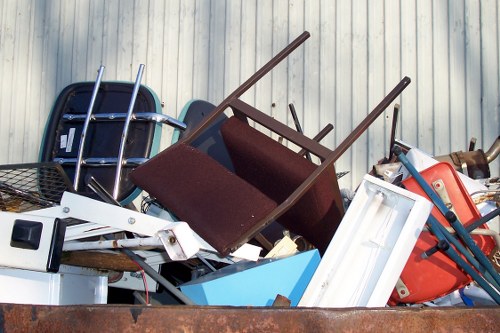 This Complaints Procedure explains how concerns about flat clearance and rubbish removal services are handled. It applies to enquiries and complaints relating to Flat Clearance Stockwell and related service areas, including apartment clearance, flat removals and general rubbish collection activities. The aim is to provide a clear, fair and timely process so that issues are resolved, lessons are learned and standards are improved. This document sets out the steps from initial receipt to final resolution, and explains what customers can expect at each stage.
The procedure is designed to be accessible. Complaints will be acknowledged promptly and recorded. Where appropriate, interim actions such as arranging a return visit to a property or removing overlooked items may be taken while an investigation is under way. Our promise is to treat every complaint seriously and impartially, and to keep language plain and processes transparent. Please note that this is a procedural description and does not include legal advice or individual contact information.
 Scope: This complaints process covers service delivery for flat clearance in Stockwell and adjacent service locations offered by the rubbish clearance operation. It includes dissatisfaction about workforce conduct, missed collections, incorrect invoicing related to disposal or recycling fees, damage to property during clear-outs, safety concerns, or failure to follow agreed schedules. Excluded are noise complaints unrelated to clearance activities, or matters that are already subject to formal legal proceedings.
How to Make a Complaint
To ensure fairness and efficiency, complaints should include a clear description of the issue, relevant dates and any supporting information such as photographs or job reference numbers. When a complaint is received the team will log the matter into the complaints register and assign a reference number. Records are retained to support consistent handling and future quality improvement. Complaints may be raised by customers, agents acting on a resident’s behalf, or authorised representatives of building managers.
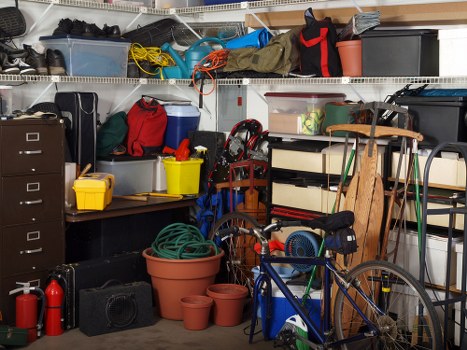 Initial acknowledgment will be issued within a set timeframe and will explain the next steps. The investigation phase typically involves reviewing job records, speaking with staff involved, and inspecting any available evidence. During this phase, the investigator will aim to identify whether the service deviated from agreed terms or operational standards and whether corrective action is required. Investigations are impartial and focus on establishing facts and remedial options.
The process includes a clear timetable: acknowledgment within three working days, completion of a substantive investigation within 10 to 20 working days where feasible, and communication of outcomes thereafter. In particularly complex cases or where third parties are involved (for example, licensed waste transfer facilities or removal contractors), additional time may be required and the complainant will be advised of any extensions.
Resolution Options and Remedies
Resolution will be appropriate to the issue and may include an apology, a refund or credit for service charges, arranging remedial work such as a return clearance or targeted removal of overlooked rubbish, staff retraining, or changes to future operating procedures. Remedies are determined after considering the impact of the issue, the root cause and proportionality. Where damage has occurred, the matter will be escalated for assessment and repair options will be discussed as part of the resolution.
Records of outcomes and any agreed actions are kept on file to monitor completion. A closing letter or summary will be provided describing the findings, the remedial steps taken and any offer made. If dissatisfaction persists after the outcome is communicated, an escalation route is available within the organisation, where a senior manager will conduct a fresh review of the case and the process followed.
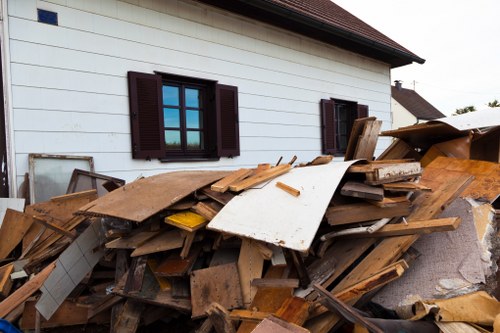 If an internal escalation does not resolve the complaint to the complainant’s satisfaction, details of relevant independent oversight or regulatory bodies will be explained where appropriate. External dispute resolution may be an option for some categories of dispute. The organisation will cooperate fully with legitimate external inquiries and will disclose records as required by law or sector regulation while respecting privacy and confidentiality obligations.
Key principles underpinning this complaints procedure include accessibility, transparency, timeliness and continuous improvement. Documentation and analysis of complaints help identify patterns and training needs and support service area improvements such as scheduling changes, route planning for flat removals and better waste segregation practices. The intent is to reduce repeat issues and raise standards across the range of clearance services.
 All staff and contractors engaged in flat clearances and rubbish removal are expected to cooperate with complaint investigations and to implement corrective actions where appropriate. Training, supervision and performance monitoring are used as preventative measures. A clear audit trail is maintained for each complaint, listing dates, actions taken, responsible staff and final outcomes.
Summary of key steps:
- Receipt and Acknowledgement: Complaint logged and reference issued.
- Investigation: Evidence collected and staff consulted.
- Outcome and Remedy: Decision communicated and actions taken.