Flat Clearance Stockwell — Recycling and Sustainability Commitment
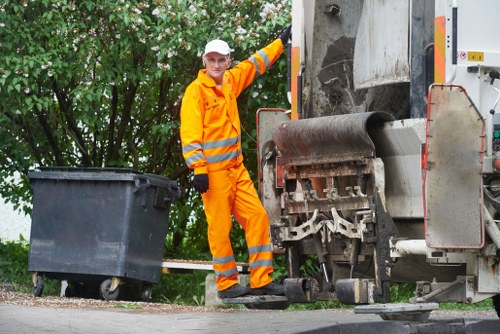 At Flat Clearance Stockwell we place the environment at the heart of every clearance. Our sustainable rubbish area policy focuses on creating an
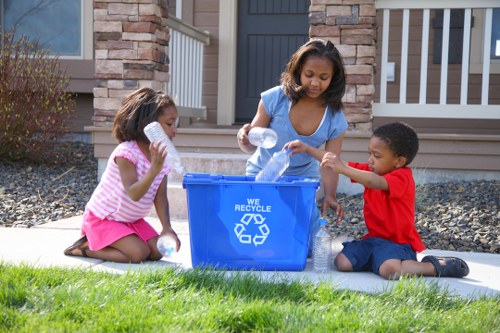
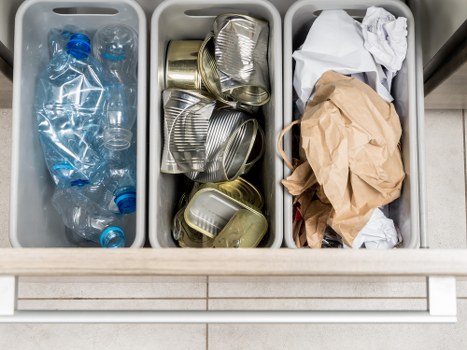
Our approach to apartment clearance Stockwell includes a clear separation of waste streams at source. We follow the boroughs approach to waste separation, aligning with local Lambeth and neighbouring boroughs' recycling guidelines by segregating glass, paper, cardboard, metal, and food waste where appropriate. This makes sorting faster on-site and increases the chance of successful recycling at municipal facilities.
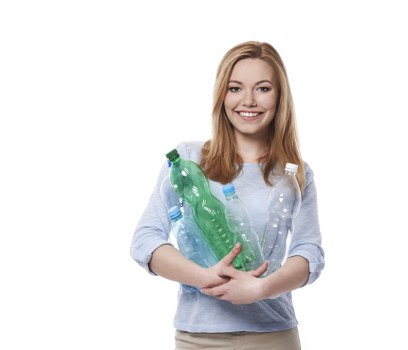 We have set an ambitious recycling percentage target across our flat removal Stockwell operations: a minimum 75% diversion from landfill within 24 months. This target is monitored monthly and reported internally, and it drives continuous improvement in our routing, on-site sorting, and partnership activities. By optimising the eco-friendly waste disposal area in our vehicles and crew procedures, we make it easy for residents to choose a sustainable clearance option.
Local transfer stations are a cornerstone of effective sustainable rubbish area logistics. We routinely utilise nearby transfer stations and recycling hubs in South London to ensure materials are processed correctly. These facilities help us funnel segregated streams—such as textiles, furniture, bulky plastics and electronics—into the right recycling channels rather than sending mixed loads to landfill.
Our Stockwell flat clearance teams use labelled containment and on-site triage zones so that bulky items that are still usable can be diverted quickly. Soft furnishings are inspected for reuse; white goods undergo basic checks and are routed to authorised e-waste and appliance recyclers. This process supports a circular model where items either re-enter the local economy or are responsibly recycled.
 We operate with an increasing fleet of low-carbon vans to reduce emissions across every job. Our vehicles include electric-assisted vans and Euro-6 low-emission models that prioritise inner-city performance and air quality. By scheduling optimised routes and employing fuel-efficient driving practices, our flat clearances in Stockwell contribute measurably to a lower-carbon local service footprint.
Partnerships with charities form the backbone of our reuse strategy. We work with vetted local charities and community groups to donate household items, furniture and clothing that are in reusable condition. These collaborations not only extend the life of goods but also support community wellbeing by feeding items into redistribution networks rather than sending them for processing as waste.
 Our sustainable rubbish area plan includes record-keeping and transparent auditing of donations and recycling streams. Typical partnerships include furniture reuse charities, community textile projects and social enterprises that specialise in appliance refurbishment. Below are a few key activity streams we prioritise:
- Furniture reuse: sofas, beds and cabinets checked, cleaned and passed to charity partners.
- Electronics recycling: white goods and small appliances assessed and routed to authorised WEEE processors.
- Textiles: wearable clothing separated for donation or accredited textile recycling.
- Mixed recyclables: cardboard, paper, glass and metals separated following the boroughs' kerbside guidance.
 Our environmental policies are regularly reviewed to align with evolving local regulations and the latest best practice for an eco-friendly waste disposal area. We conduct periodic training for our crews on waste separation protocols, safe handling of hazardous materials (such as certain household chemicals or batteries) and the proper documentation required at transfer stations.
We also encourage residents to adopt simple pre-clearance steps to maximize recycling outcomes: remove food waste into residual bins, keep glass and paper separated, and identify items for donation. These small actions help our teams maintain high recycling rates during a Stockwell flat clearance and ensure that the sustainable rubbish area concept works in practice.
Measuring Impact and Continuous Improvement
Measurement is central to our sustainability promise. We log volumes and weights of reused, donated and recycled items and review progress against our 75% recycling percentage target. Through these metrics we can refine routes, improve on-site separation and expand charitable partnerships to increase reuse rates. Strong data governance ensures transparency and helps us set future targets for a fully circular approach to domestic clearances.
Why choose a green Stockwell flat clearance?
Choosing an eco-conscious Stockwell flat clearance service means supporting a system that values repair, reuse and responsible recycling. Our focus on low-carbon vans, local transfer stations, partnerships with charities and a dedicated sustainable rubbish area makes us a practical choice for residents who want to reduce environmental impact while clearing space in their homes.